
Poster design concept
Theatre art, a captivating blend of performance, storytelling, and visual spectacle, has a rich history spanning centuries and cultures. From ancient Greek amphitheatres to modern Broadway stages, theatre has evolved into a multifaceted art form that engages audiences on emotional, intellectual, and aesthetic levels https://findtonapp.com/gambling/. This article delves into the fascinating world of theatre art, exploring its origins, key elements, notable figures, and enduring impact on society and culture. Join us on a journey through the enchanting realm of theatrical expression and discovery.
Theatre art stands as a crucial component of the dramatic arts, intertwining various disciplines into one cohesive expression. It is a space where storytelling comes to life through a collaborative and multifaceted performance involving actors, directors, set designers, and others. Traditionally, theatre has been an art form cherished for its unique ability to blend speech, gesture, and music, conveying real or imagined events in front of a live audience. The experience extends beyond visual appreciation, often aiming to stir the audience’s emotions and provoke reflection through the complexities of drama.
It was painted by the Venetian master Marco Ricci around 1709, and captures a rehearsal for the opera Pyrrhus and Demetrius. Among those depicted are the castrato star, Nicolò Grimaldi (usually known by his stage name ‘Nicolini’), pausing grandly in front of a harpsichord, and the celebrated soprano Francesca Margherita de L’Epine, seated behind the instrument.
Playing on the notion of adventure and curiosity, David Teniers the Younger’s A Guard Room inspires a sense of innocence in its viewer while creating tension within its “stage” of events. The piece depicts a child exploring a guard house, very likely outside of adult supervision. The décor of the armor suggests it is used for military ceremonial purposes, further increasing both the playfulness and impending consequence of the boy’s presence. The theatrical nature of this piece plays on the actions of its subjects combined with a stage setting very suitable for mischief. Dynamic shadows are used to create a depth in the piece, furthering the sense of space in the manner that a theater stage is laid out. Certain portions are hidden from the viewer for the purposes of the subject. Just as a director would in a production, Teniers only shows you what you need to see to understand what is happening in the piece. Though more elaborate than some of the other examples, even the wide shot of the guardhouse can be thought of as being somewhat conservative, playing on the unknown to further the sense of mischievous adventure.
This is not to say that the contribution of the author to the theatrical experience is unimportant. The script of a play is the basic element of theatrical performance. In the case of many masterpieces it is the most important element. But even these dramatic masterpieces demand the creative cooperation of artists other than the author. The dramatic script, like an operatic score or the scenario of a ballet, is no more than the raw material from which the performance is created. The actors, rather than merely reflecting a creation that has already been fully expressed in the script, give body, voice, and imagination to what was only a shadowy indication in the text. The text of a play is as vague and incomplete in relation to a fully realized performance as is a musical score to a concert. The Hamlets of two great actors probably differ more than two virtuoso renditions of Johann Sebastian Bach’s Goldberg Variations possibly can. In general, the truly memorable theatrical experience is one in which the various elements of performance are brought into a purposeful harmony. It is a performance in which the text has revealed its meanings and intentions through skillful acting in an environment designed with the appropriate measure of beauty or visual impact.
Collectible graphic
From retro video games to vintage toys, nostalgia-fueled collecting is making a huge comeback. Games like Super Mario 64 and The Legend of Zelda: Ocarina of Time have sold for six figures at auction, while sealed VHS tapes from the 80s and 90s are commanding surprising premiums.
Welcome to the Graphic Collectibles� online gallery of original, collectible comic artwork. From original Superman comic art and Spider-Man comic art, to original X-Men comic art and Batman comic art, Graphic Collectibles carries it all. The owner, Mitch Itkowitz, has been in the business of selling original/vintage comic art for over 40 years.
Virtual spaces like Decentraland, The Sandbox, and Roblox are creating digital collectibles that can be displayed, traded, and used inside metaverse ecosystems. Limited-edition virtual real estate, wearables, and avatars are fetching massive prices.

From retro video games to vintage toys, nostalgia-fueled collecting is making a huge comeback. Games like Super Mario 64 and The Legend of Zelda: Ocarina of Time have sold for six figures at auction, while sealed VHS tapes from the 80s and 90s are commanding surprising premiums.
Welcome to the Graphic Collectibles� online gallery of original, collectible comic artwork. From original Superman comic art and Spider-Man comic art, to original X-Men comic art and Batman comic art, Graphic Collectibles carries it all. The owner, Mitch Itkowitz, has been in the business of selling original/vintage comic art for over 40 years.
Retro graphic
A decade defined by bright colors, fluid patterns and LSD-inspired psychedelia, the 1960s were a massive turning point for graphic design. Moving away from the pin-up style, earth tones and intermittent splashes of color that dominated design in the 1950s, the 60s saw designers dipping their artistic wands into more creative, experimental styles.
Named after its creators, the Memphis Group in Milan, Memphis style is said to be the pinnacle of 80s style. Memphis-Milano style combined elements of art deco, tropical, and pop art, and and set out to transcend modernism with its bold geometric shapes, striking colour combinations, linework and asymmetry. A trend that has totally taken off over the last few years, what’s become known as the Memphis Revival is now in full swing!
Simply put, modern retro graphic design is all about bringing back the look and feel of older decades. This style is great for creating a sense of nostalgia, especially from the 60s and 70s. However, retro design can also include styles from other decades, like the bold patterns of the 1920s or the colorful, quirky designs of the 90s.
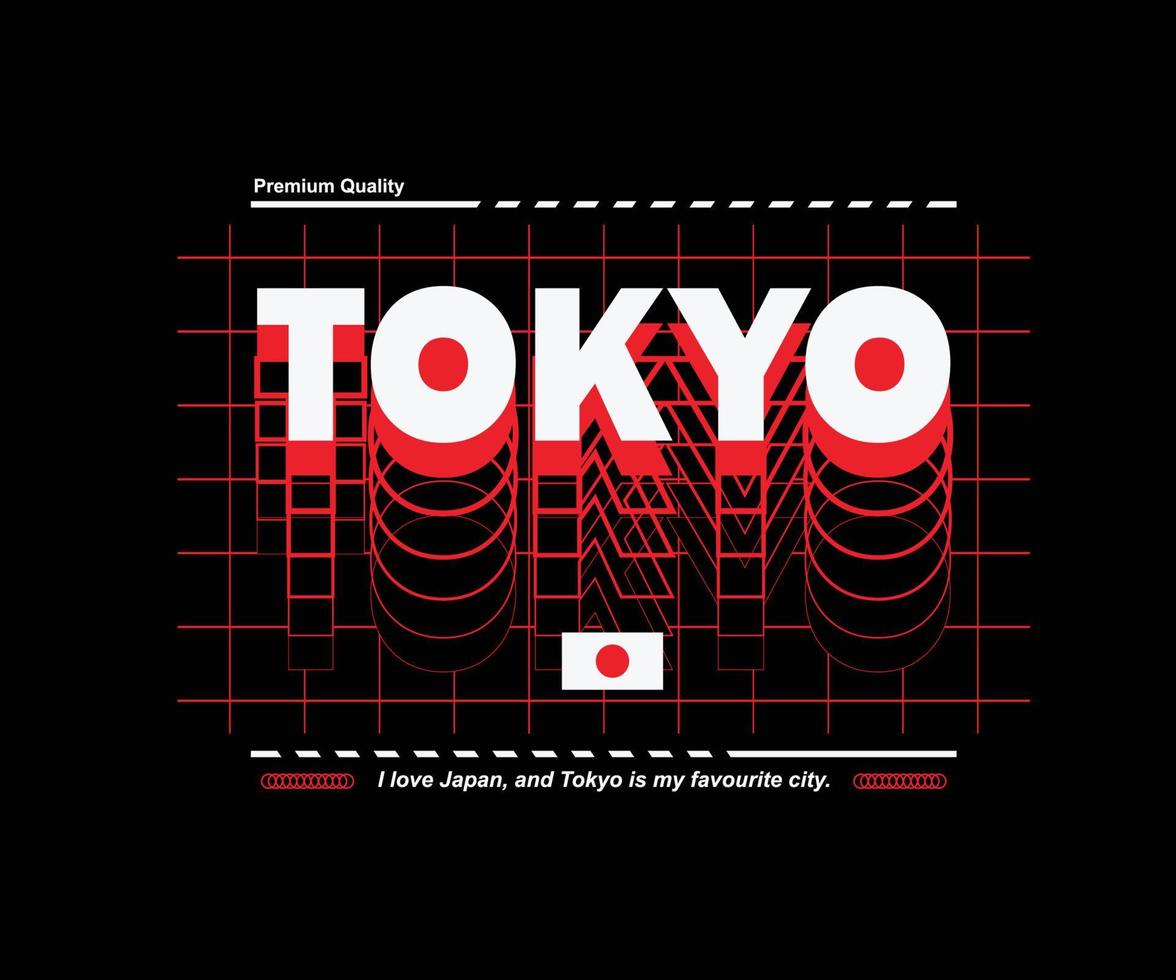
A decade defined by bright colors, fluid patterns and LSD-inspired psychedelia, the 1960s were a massive turning point for graphic design. Moving away from the pin-up style, earth tones and intermittent splashes of color that dominated design in the 1950s, the 60s saw designers dipping their artistic wands into more creative, experimental styles.
Named after its creators, the Memphis Group in Milan, Memphis style is said to be the pinnacle of 80s style. Memphis-Milano style combined elements of art deco, tropical, and pop art, and and set out to transcend modernism with its bold geometric shapes, striking colour combinations, linework and asymmetry. A trend that has totally taken off over the last few years, what’s become known as the Memphis Revival is now in full swing!
Simply put, modern retro graphic design is all about bringing back the look and feel of older decades. This style is great for creating a sense of nostalgia, especially from the 60s and 70s. However, retro design can also include styles from other decades, like the bold patterns of the 1920s or the colorful, quirky designs of the 90s.

Leave A Comment